Why Merino Wool is the Premium Choice for Quality Apparel
Introduction:
Merino wool has become one of the most sought-after materials in the apparel industry, prized for its exceptional qualities and versatility. As a leading fabric choice for premium garments, understanding merino wool’s unique properties can help brands make informed decisions for their product lines.
What Makes Merino Wool Special?
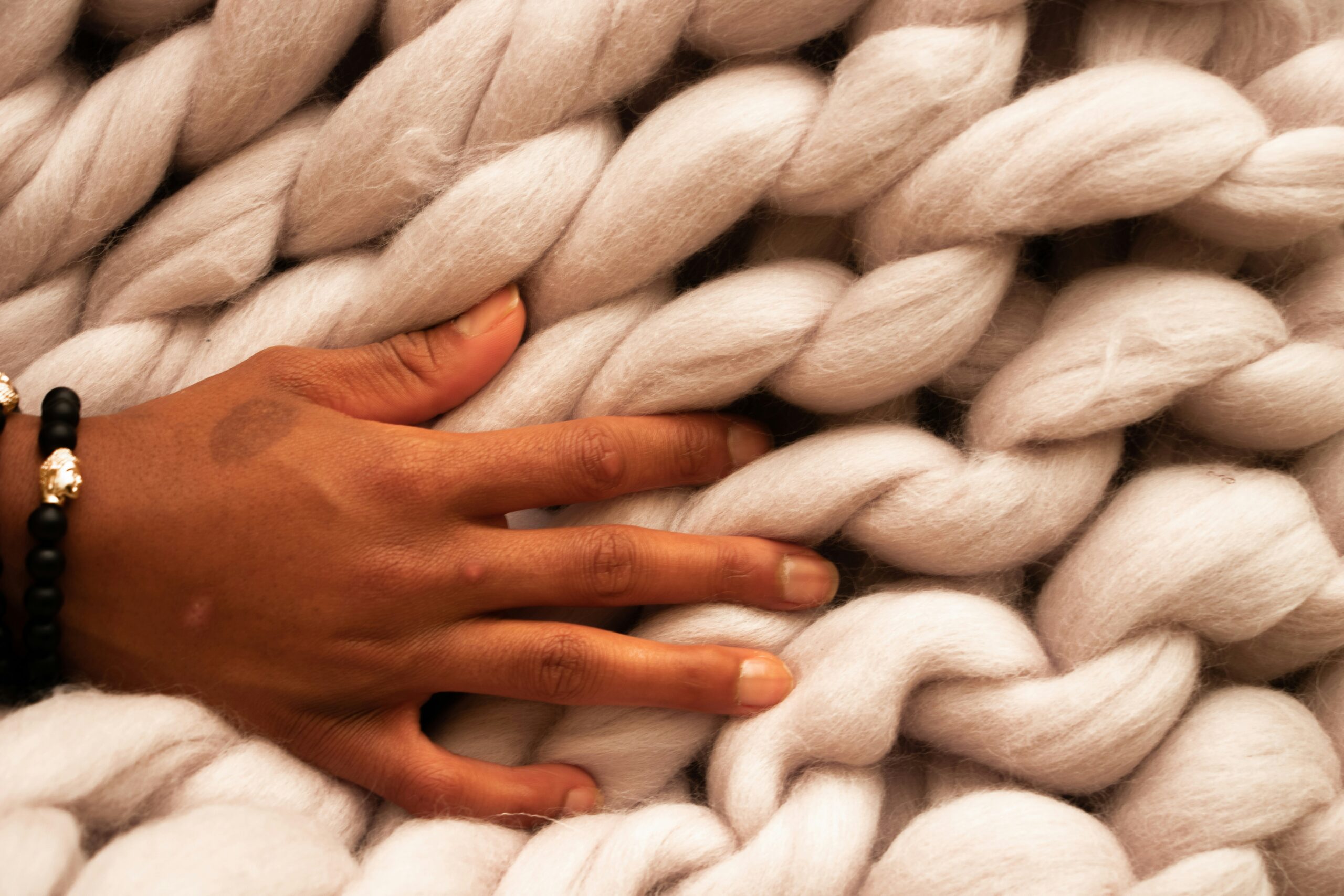
Merino wool comes from Merino sheep, primarily raised in Australia and New Zealand. Unlike traditional wool, merino fibers are much finer and softer, typically measuring between 15-24 microns in diameter. This fineness translates to superior comfort and performance in finished garments.
Key Benefits of Merino Wool:
Temperature Regulation Merino wool naturally regulates body temperature, keeping wearers warm in cold conditions and cool in warm weather. The fiber’s unique structure allows it to absorb and release moisture vapor, creating a comfortable microclimate against the skin.
Moisture Management The fabric can absorb up to 30% of its weight in moisture without feeling damp. This makes merino wool ideal for activewear, base layers, and performance apparel where moisture wicking is essential.
Odor Resistance Unlike synthetic fabrics, merino wool naturally resists odor-causing bacteria. This antimicrobial property means garments stay fresher longer, reducing the need for frequent washing.
Softness and Comfort Fine merino fibers feel soft against the skin, eliminating the itchiness often associated with traditional wool. This makes it suitable for garments worn directly on the body, including underwear and base layers.
Durability and Easy Care Despite its soft feel, merino wool is surprisingly durable and resilient. Quality merino garments can last for years with proper care. Many merino products are also machine washable, though hand washing is recommended for best results.
Natural and Sustainable As a renewable, biodegradable fiber, merino wool offers an environmentally friendly alternative to synthetic materials. This appeals to increasingly eco-conscious consumers.
Applications in Apparel Manufacturing:
Merino wool’s versatility makes it suitable for various product categories:
- Activewear and Sportswear: Base layers, running shirts, cycling jerseys
- Outdoor Apparel: Hiking clothing, winter wear, thermal layers
- Everyday Wear: T-shirts, sweaters, socks, underwear
- Business Casual: Dress shirts, blazers, trousers
- Accessories: Scarves, hats, gloves
Manufacturing Considerations:
When working with merino wool, manufacturers should consider:
- Fiber Grade: Ultrafine (15-17 microns), Superfine (17-19 microns), Fine (19-22 microns)
- Blending Options: Merino can be blended with nylon, polyester, or silk for enhanced performance
- Weight Options: Lightweight (150-200 gsm), midweight (200-260 gsm), heavyweight (260+ gsm)
- Care Requirements: Gentle washing, avoid high heat, proper storage
Quality Standards:Premium merino wool should meet specific standards:
- Fiber diameter consistency
- Minimal pilling tendency
- Colorfast dyes
- Proper tensile strength
- Certification (such as ZQ Merino or Responsible Wool Standard)
Conclusion:
Merino wool represents a premium material choice that combines natural performance benefits with modern consumer preferences for comfort, functionality, and sustainability. For brands looking to offer high-quality, versatile apparel, merino wool products provide an excellent value proposition.
As manufacturers, we understand the importance of sourcing quality merino wool and processing it correctly to maintain its exceptional properties. Whether you’re developing activewear, casual clothing, or performance apparel, merino wool offers endless possibilities for creating products your customers will love.
Contact us to discuss merino wool manufacturing options for your brand.